

Climbing Toys for Toddlers: 7 Benefits Every Parent Should Know
Climbing Toys for Toddlers: 7 Benefits Every Parent Should Know
When toddlers start walking, many parents notice they suddenly want to climb everything — the sofa, the bed, the stairs, even you. That instinct is not mischief; it is a natural stage of physical development. Giving children a safe place to climb is one of the smartest things parents can do. Climbing toys, from small indoor climbers to sturdy outdoor frames, turn this instinct into real growth. Here are seven benefits climbing toys bring to toddlers, and why pediatricians and early childhood educators keep recommending them.
1. Build gross motor skills and coordination
Climbing engages the large muscle groups in the arms, legs, back, and core at the same time. Reaching for a handhold, lifting the body, and stepping from one platform to the next trains balance, spatial awareness, and hand-eye coordination. These are the same foundation skills toddlers need later for running, jumping, riding a bike, and playing sports.
2. Strengthen muscles and bone density
Unlike passive play, climbing is a weight-bearing activity. Pulling the body up against gravity strengthens the arms and shoulders, while pushing off with the legs builds thigh and calf muscles. Weight-bearing exercise also encourages healthy bone development, which matters a lot during the rapid growth years of early childhood.
3. Develop problem-solving and planning skills
Climbing is not just physical — it is a puzzle. A toddler must look at the structure, decide where to put the hands and feet, and adjust the plan when a hold does not work. Each successful route teaches cause and effect, sequencing, and persistence. Children who climb regularly tend to approach other challenges with the same try-again attitude.

4. Build confidence and courage
Reaching the top of a small climber is a huge achievement for a two-year-old. Every climb that ends successfully delivers a real sense of accomplishment, and that feeling builds self-esteem. With adult supervision and age-appropriate equipment, toddlers learn to assess risk, trust their bodies, and feel proud of what they can do — a confidence that carries into school and social life.
5. Support sensory integration
Climbing provides rich proprioceptive and vestibular input. The body learns where it is in space, how much pressure to use, and how to adjust posture on a moving or tilted surface. For toddlers who are sensory seekers, climbing is a natural way to get the deep body input they crave; for cautious children, it gently expands their comfort zone.
6. Encourage independent and social play
A climber is a natural gathering point. Toddlers learn to take turns, wait for a friend to come down, and cheer each other on. At the same time, solo climbing moments teach independence and focused play. Both skills — playing with others and playing alone — are essential for emotional development and for a smooth transition to kindergarten.
7. Burn energy and improve sleep
Toddlers have seemingly endless energy, and climbing is one of the best ways to spend it in a positive direction. A good climbing session tires the body in a healthy way, which usually means calmer afternoons and better sleep at night. Regular physical play also supports appetite and a stable daily routine.
Safety reminders for parents
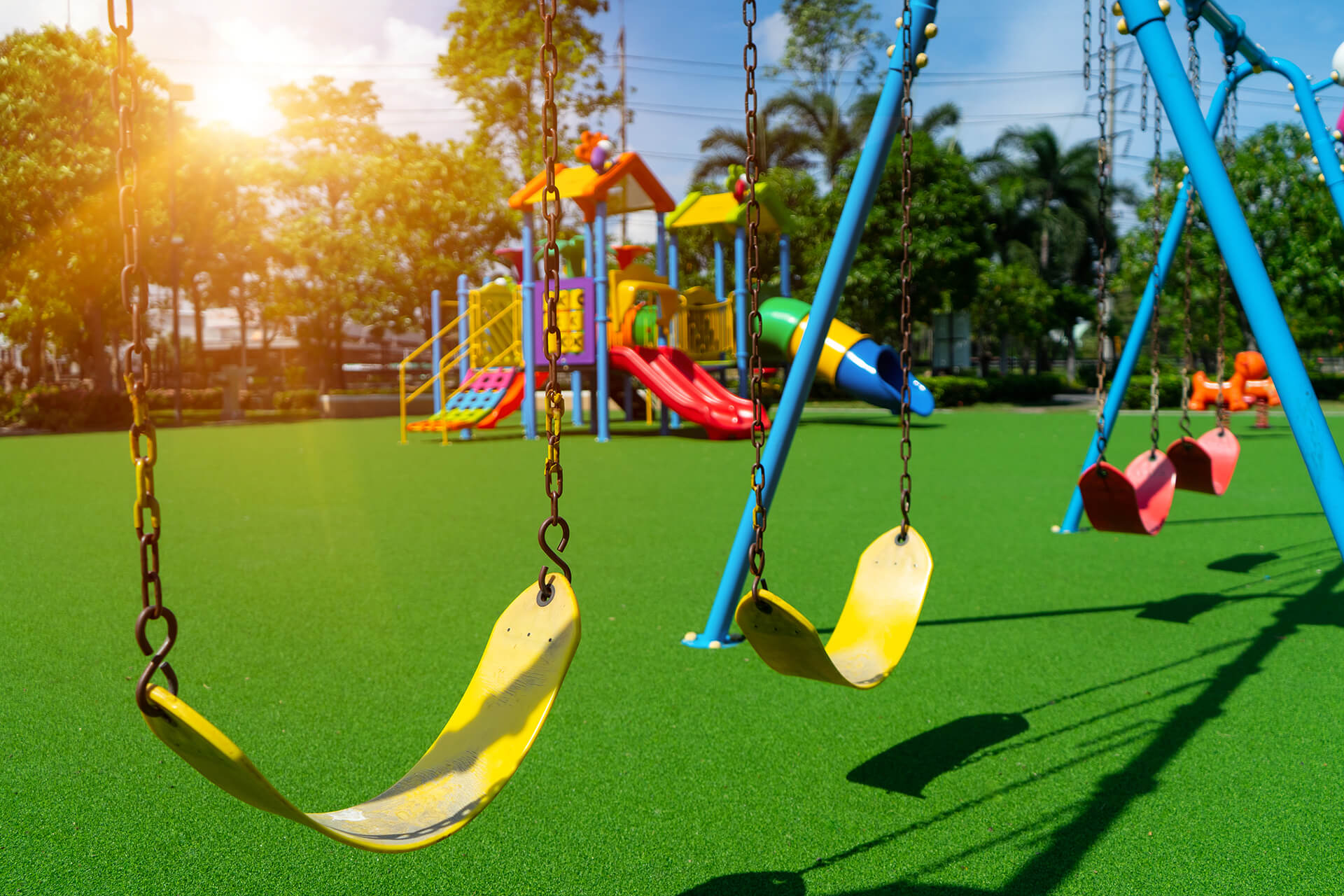
To enjoy these benefits safely, always choose climbing equipment that matches your child’s age and ability, place it on a flat surface with soft padding or grass underneath, and supervise actively — especially for children under three. Check the structure regularly for loose parts, and teach your child simple rules like climbing down feet first. With the right setup and a little patience, climbing toys can be one of the most rewarding additions to your child’s play space.
Interested in more play ideas? Read about the benefits of outdoor play for children and why slides are good for children.
发表评论
Want to join the discussion?Feel free to contribute!