

Climbing Frame Safety at Home: 8 Rules for Safe Climbing
Climbing Frame Safety at Home: 8 Rules for Safe Climbing
A climbing frame is one of the best things you can add to a garden or a playroom. Climbing builds grip strength, balance, coordination and confidence. It is also the play activity that produces the most falls at home, and almost every one of those falls traces back to a handful of fixable problems: a frame that moves, a hard landing surface, the wrong size for the child, or a child climbing with nobody watching. Here are the eight rules we give to families who ask how to make a home climbing frame safe.
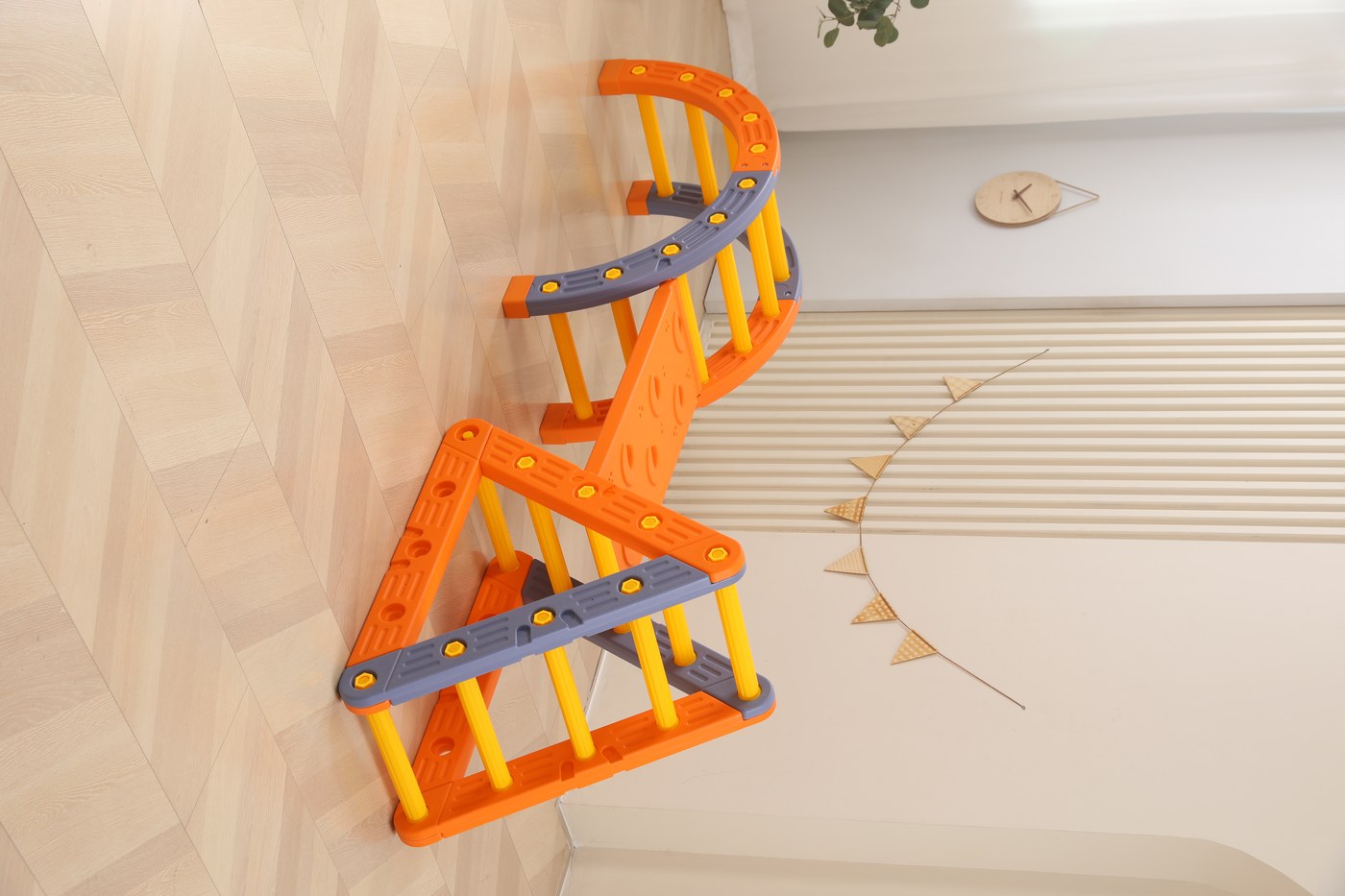
1. Fix what is underneath before you worry about the frame
The surface a child lands on matters more than the height they fall from. Grass, rubber tiles, bark chips and thick play mats absorb impact; concrete, patio slabs and packed earth do not. Aim for a soft landing zone at least 1.5 metres wide on every side of the frame. If the frame sits on tiles, move it or cover the area before the first climb.
2. Make sure the frame cannot move or tip
Push the frame sideways and forwards with your hand and watch the feet. A frame that wobbles, walks across the floor or lifts a leg as a child swings on it will eventually be pulled over. Anchor it to the ground or the wall with the fixings the manufacturer supplies, check that the ground is level, and lean on the structure from each corner to test it. If no ground anchors came in the box, buy them.
3. Match the height and difficulty to your child’s age
Under three years, a toddler needs a low frame with wide steps, close handholds and a platform roughly 60 cm or less above the ground. Step risers should be shallow enough that a child can step up without pulling hard on the side rails. Older children can handle taller frames and steeper ladders, but the rule stays the same: if a child cannot reach the next handhold comfortably while standing, the frame is too big for them today.
4. Keep a clear safety zone around the frame
Children fall sideways, not only backwards. Leave at least 2 metres of open, soft space around the whole structure, and keep hard objects out of it: furniture, planters, bike handlebars, and swing seats that cross the climbing area. Do not place a climbing frame against a fence rail or a wall a child could spring from, and give slides and swings their own zone.
5. Dress for climbing
Cords, hoodie strings, scarves, necklaces and bike helmets are snag hazards on a climbing frame — they can catch on a rung while the child keeps moving. Buckles and zips catch on ladders too. Non-slip shoes or bare feet grip best; smooth socks on a plastic rung are an accident waiting to happen. If the frame is metal, check the surface temperature on a hot day before a child grabs it.
6. Set simple rules for using the frame
On a small frame, one child climbs at a time. No pushing, no standing on the top rail, no jumping off the platform, and feet-first descents only. Teach children to climb down facing the frame, and to keep their hands empty while climbing — toys go down before they do. Siblings love to race, so make “nobody starts until the frame is clear” the house rule.
7. Check before every session and inspect monthly
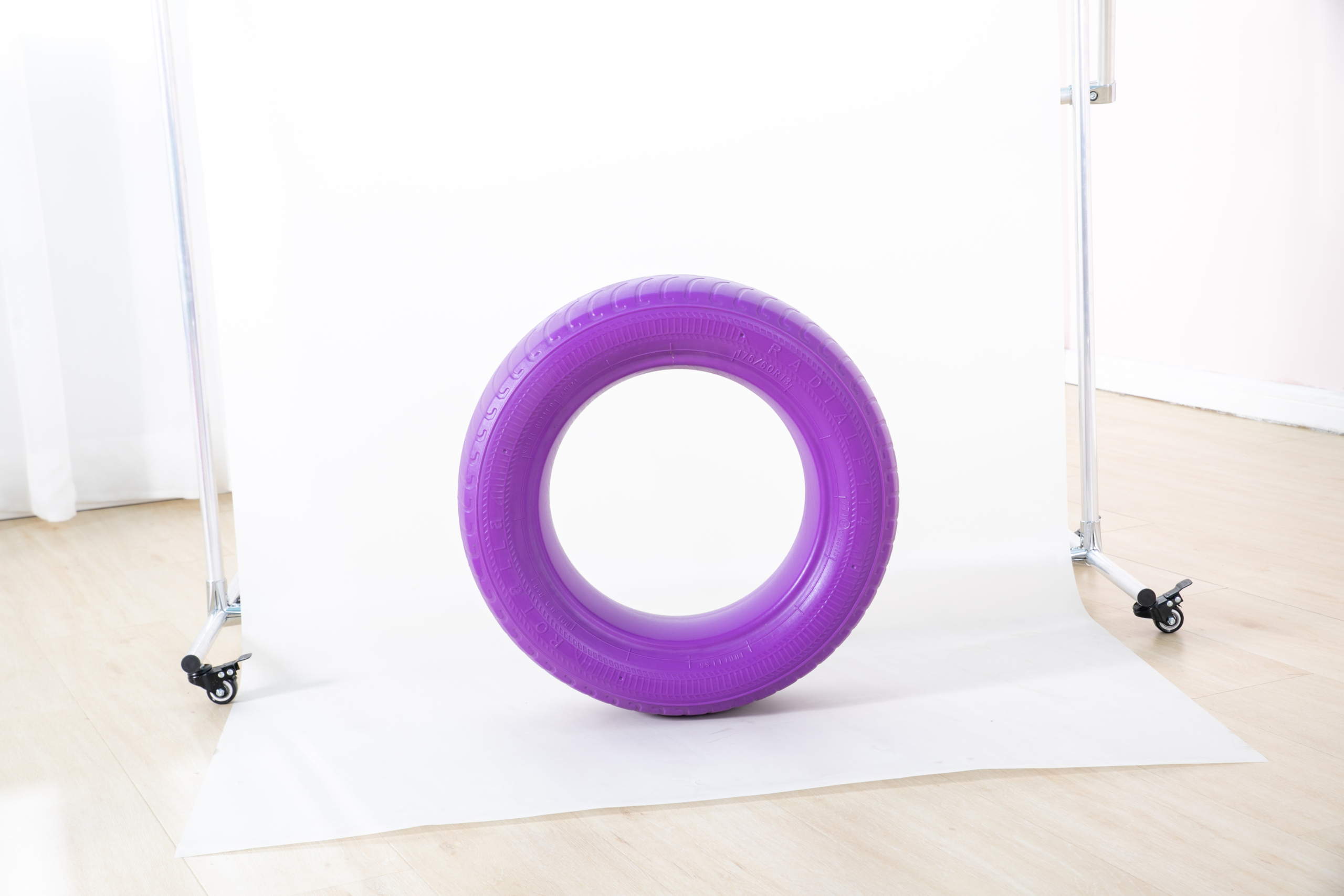
A ten-second look before play catches most problems: loose bolts, cracks in plastic, splinters on wood, rust and burrs on metal. Once a month, tighten fixings, test that rungs and handholds are firm, and check that timber has not started to rot where it meets the ground. A cracked panel can fail under a child’s full weight, so take the frame out of use until the part is repaired or replaced.
8. Supervise the children who need it most
Children under three should stay within arm’s reach of an adult on any climbing frame. Older children can climb independently, but a glance every few minutes is still the most useful safety feature. Keep the frame where you can see it — from a kitchen window or a garden table.
The short version
A safe home climbing frame is not complicated: a soft landing zone, a frame that cannot move, a size that suits the child, clear space around it, sensible clothing, simple rules, and a quick check before every session. Do those things and climbing stays what it should be — one of the best ways for a young child to build strength, balance and confidence. For more on why climbing matters, see our notes on climbing toys for toddlers, and for the same rules applied to another piece of equipment, our kids slide safety tips.
Safety rules are not a reason to skip climbing. They are what make free play possible.
发表评论
Want to join the discussion?Feel free to contribute!