

Soft Play vs Plastic or Wood Play Equipment: Which Should You Buy?
Soft Play vs Plastic or Wood Play Equipment: Which Should You Buy?
The short answer: soft play suits indoor spaces for children under five, where impact absorption matters most; plastic (HDPE and LLDPE) suits outdoor and semi-outdoor areas that must survive weather and heavy cleaning; wood and timber-composite suits gardens, kindergartens and ranges sold on a natural look. If you are building a catalogue rather than a single SKU, plan for a mix of all three — that is what most importers end up stocking.
What each material is actually good at
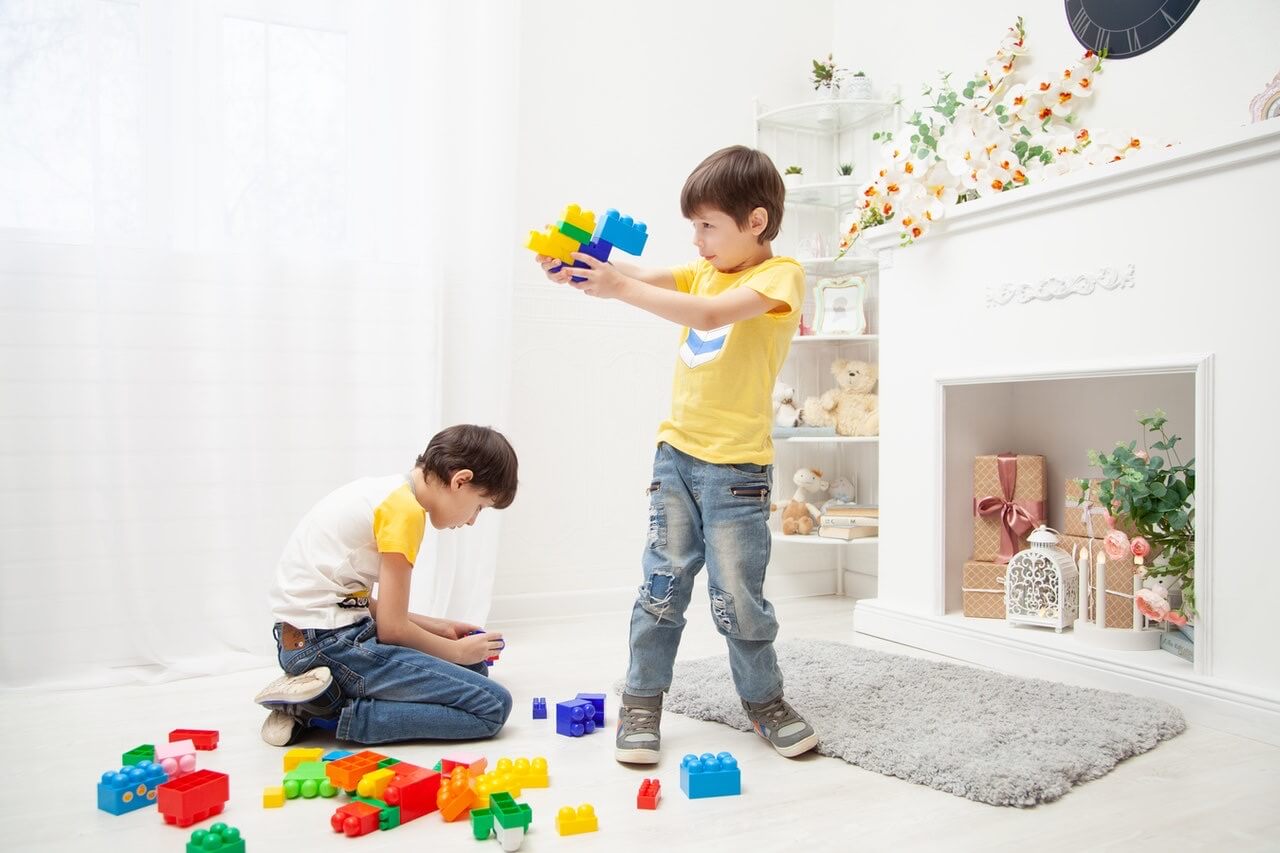
Soft play is built from foam cores wrapped in vinyl or PU covers, plus EVA blocks and mats. Its advantage is energy absorption: a fall onto a 25-30 kg/m³ foam core with a 0.6 mm coated cover is far more forgiving than a fall onto moulded plastic, which is why nurseries and indoor play centres specify it. Colours and themes are easy to customise because covers are sewn and printed rather than tooled.
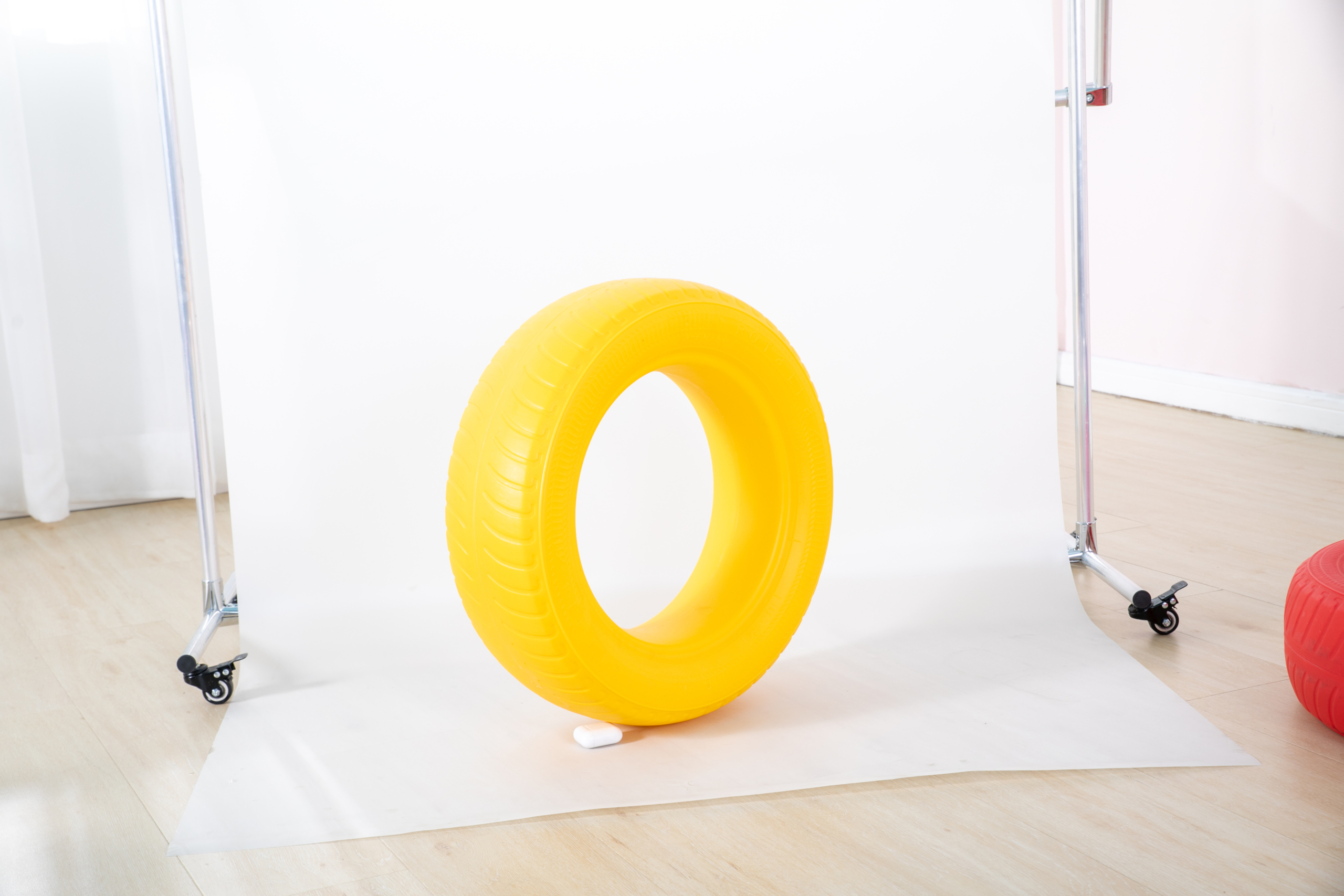
Plastic equipment is rotationally or blow-moulded LLDPE, or assembled from 8-12 mm HDPE panels. It is rigid enough to carry spans, holds colour well when UV stabilised, and can be hosed down. That combination makes it the default for gardens, courtyards and any setting where equipment is left outside.
Wood equipment uses birch plywood, pine or timber posts, often paired with HDPE panels. Buyers choose it for the natural aesthetic and for replacement-part economics: a damaged panel can usually be swapped without scrapping the frame.
Side-by-side comparison
| Factor | Soft play | Plastic (HDPE / LLDPE) | Wood / timber |
|---|---|---|---|
| Core construction | Foam core, vinyl or PU cover | Roto-moulded or HDPE panels | Plywood, pine, HDPE trim |
| Best environment | Indoor: play centres, nurseries | Outdoor and indoor commercial | Gardens, kindergartens |
| Weather resistance | Low unless specified | High with UV stabiliser | Medium; needs treatment |
| Typical service life | 2-4 years | 5-10 years | 3-7 years |
| Cleaning | Wipe-down; seam care | Hose or pressure wash | Damp cloth only |
| Freight profile | Bulky, low density | Nests and stacks | Flat-pack, heavy |
Where each one fails
Soft play fails at the seams: covers tear where stitching meets a hard frame, and foam absorbs moisture once the cover is punctured. Specify reinforced corners, ask what foam density and cover thickness are used, and agree a cleaning routine before you order — shared play areas need a written wipe-down schedule.
Plastic fails in heat and sunlight. Dark slide surfaces get uncomfortably hot in direct sun, and unstabilised resin yellows within two seasons. Custom shapes also carry tooling cost, which is why non-standard mouldings usually start around 300-500 units.
Wood fails at moisture. Repeated wet-dry cycles open joints and raise grain, and preservative treatment has to be documented for European buyers. Ask for the treatment specification, not just a photo of a finished unit.
Certification is not the same for the three
| Market | Home / toy use | Public or commercial play | Documents to request |
|---|---|---|---|
| EU | EN 71-1/-2/-3, REACH, CE | EN 1176 series, EN 1177 surfacing | Test reports, Declaration of Conformity |
| US | ASTM F963, CPSIA, CPC | ASTM F1487, ASTM F1292 | CPC, third-party lab report |
| GCC / Australia | GSO or AS/NZS ISO 8124 | EN 1176 commonly accepted | Certificate of conformity |
Match the material to your sales channel
Home retail usually wants soft play sets and compact plastic items that ship in a single carton. Project buyers — indoor play centres, kindergartens, hotels — want a designed package and will ask for EN 1176 or ASTM F1487 evidence. Garden and outdoor retail leans plastic and timber, where weather resistance sells the product for you. Freight decides the rest: soft play is bulky with low value per cubic metre, moulded plastic nests, and timber ships flat but heavy. Ask every supplier for carton dimensions and CBM per set before comparing prices.
Five questions before you request a quote
Which age band is the product for? Will it live indoors, outdoors, or both? Who cleans it, and how often? What landed cost does your retail price support? And how many units fit in a 40HQ? Answer those five and the material choice usually narrows itself. You can browse the equipment range for format ideas, read our checklist on verifying a soft play factory, and review certification requirements before shortlisting suppliers. If you would rather talk it through, contact our team or read how we work.
There is no single best material — only the right material for a given age group, climate and sales channel. Get those three aligned and the specification, the certification route and the freight plan all follow.
发表评论
Want to join the discussion?Feel free to contribute!