

Indoor vs Outdoor Play for Toddlers: How to Choose and Balance Both
Indoor vs Outdoor Play for Toddlers: How to Choose and Balance Both
Most toddler days happen in two places: the living room floor and whatever outdoor space you can reach. Parents often ask which one is better for development. The honest answer is neither: the two settings train different skills, and toddlers do best with a deliberate mix of both.
Start with what your toddler needs today
Before choosing a setting, look at the child rather than the weather app. A toddler who has been sitting through a long morning usually needs room to run and shout. A toddler who is tired, teething or overstimulated usually needs a quiet corner and a few familiar toys. Indoor play is easier to control; outdoor play offers more space to spend energy. Matching the environment to the child’s state prevents the meltdowns that come from forcing the wrong kind of play.
When indoor play is the better choice
Indoors wins when you need containment, calm or a short focused activity. Small spaces naturally slow toddlers down, which makes them better for puzzles, stacking, drawing, pretend cooking and fine-motor practice. Indoor play also removes weather and traffic from the equation, making it the reliable option on rainy days and in the hour before dinner. The trade-off is that indoor play rarely gives the heart and lungs a real workout, so it should not be the only play a toddler gets.
When outdoor play is the better choice
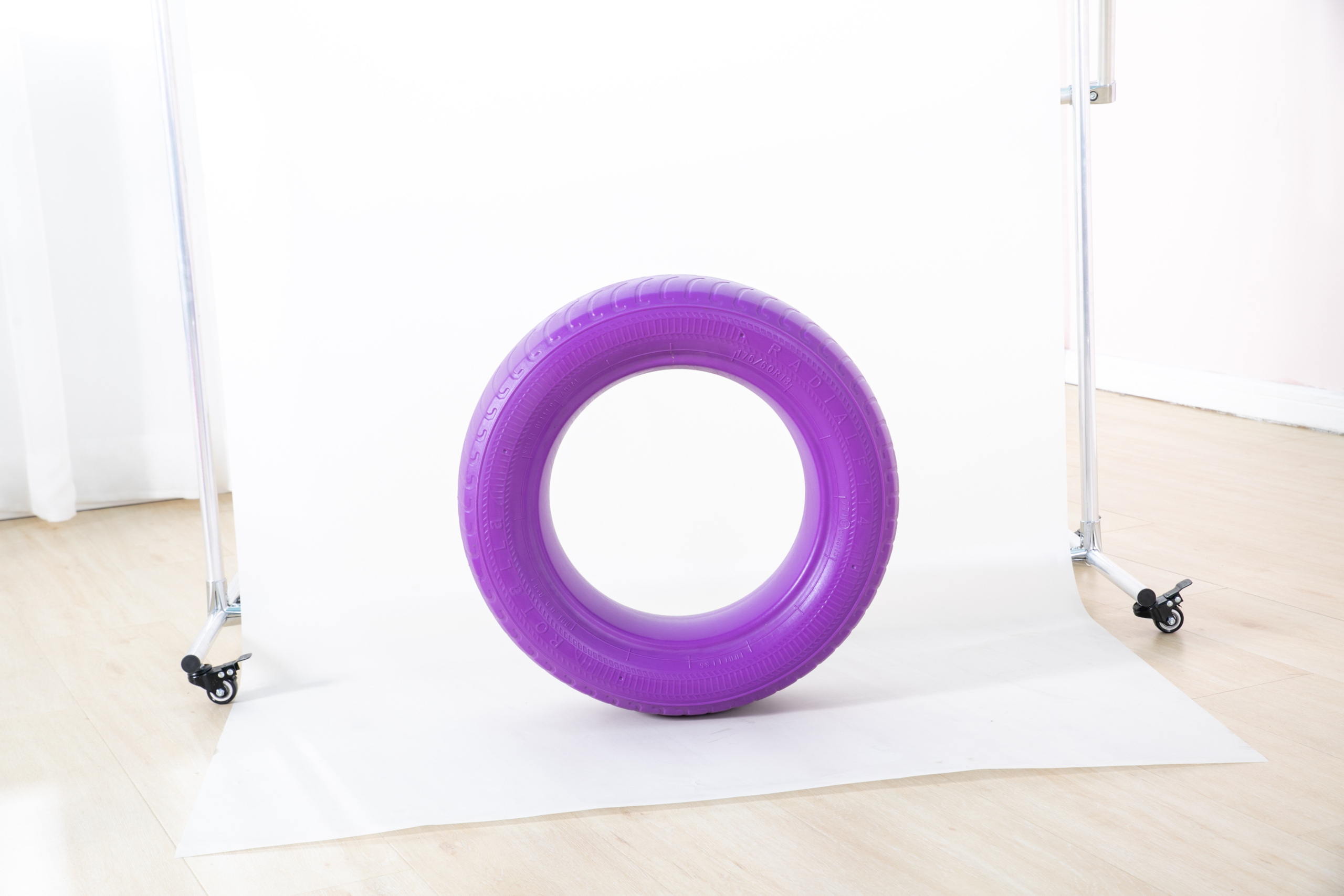
Outside, toddlers cover more ground, climb, balance, jump and carry things — the movement patterns that build strength, coordination and confidence. Daylight also supports sleep timing, and grass, sand, slopes and uneven ground give the sensory system far more to work with than a carpet does. Outdoor play carries small, managed risks too: a toddler who learns to step down a curb or navigate a slope is learning to judge their own limits. For the developmental side of that argument, read our article on the benefits of outdoor play.
A simple weekly balance
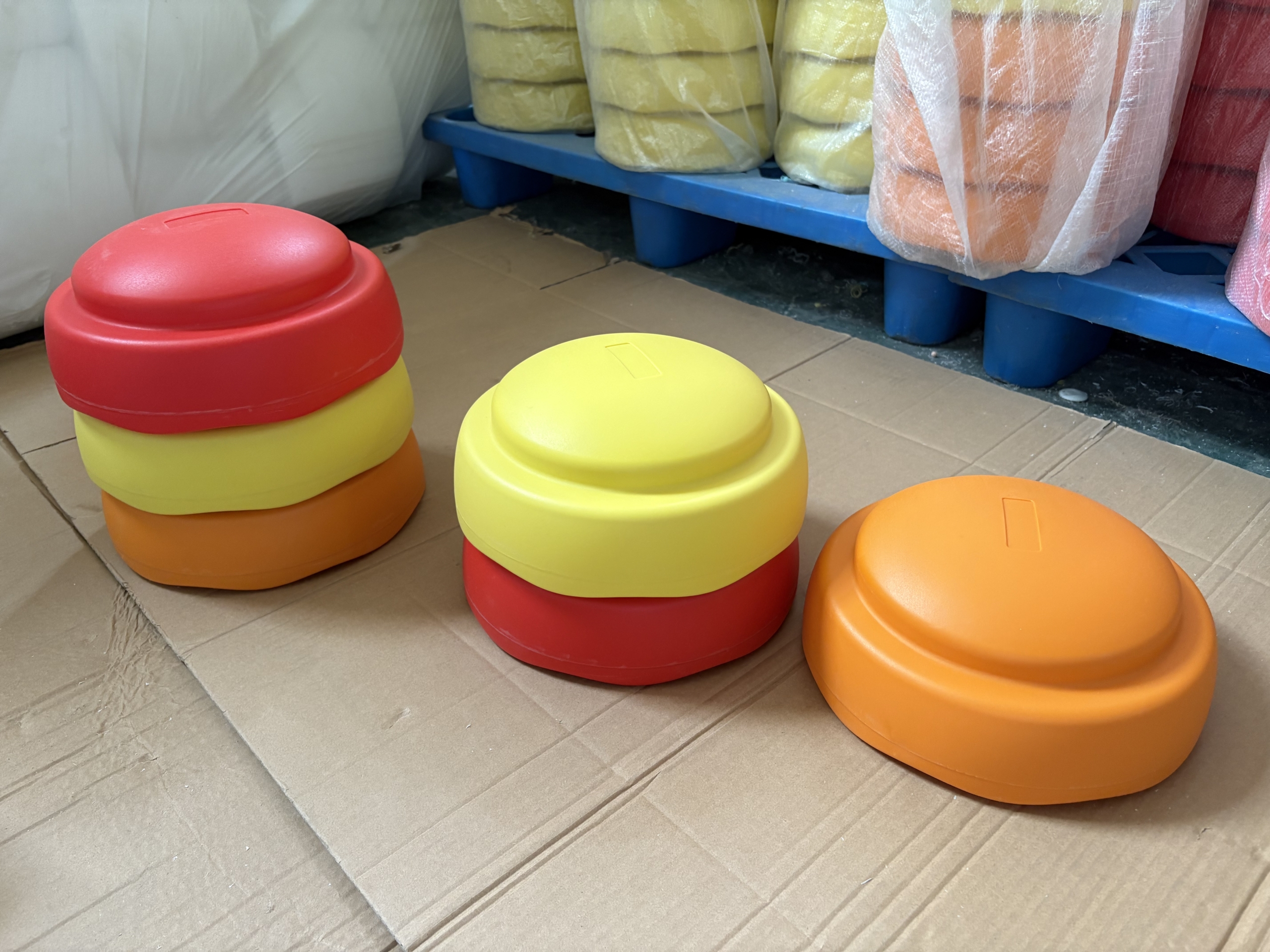
Rather than counting minutes precisely, aim for a rough shape: at least three hours of active play a day for children aged one to three, with the majority outdoors when the weather allows, and indoor time used for focused, quieter play. A workable split for most families is roughly 40 percent indoors and 60 percent outdoors, adjusted by season and climate. In very hot or very cold months, move the outdoor block to early morning, and use indoor movement games — obstacle courses, dancing, cushion jumping — to cover the gap.
Adjust for age and stage
Between twelve and eighteen months, toddlers are steadier on their feet but still unsteady on slopes and steps, so short outdoor sessions on flat, soft ground work better than long expeditions. From eighteen months to three years, climbing, kicking and carrying become the main event; that is the stage when a garden, park or safe courtyard earns its place in the daily routine. If you are tracking what comes next, our guide to gross motor milestones is a useful reference. Indoor play at this stage should keep small pieces out of reach and offer a clear, open floor rather than a crowded toy pile.
Set up both spaces so they actually get used
An indoor play area only works if it is easy to reach. Keep a defined corner with a soft mat, a low shelf and a rotating handful of toys; too much choice makes toddlers flit rather than play. Outdoors, check the basics before every season: soft fall surfacing under climbing equipment, shaded spots, a visible boundary, and no standing water, tools or garden chemicals within reach. Toys and equipment should be stable, anchored where needed and free of sharp edges or loose bolts.
Safety points that apply in both settings
Supervision needs to be close — within arm’s reach for climbing and water play. Check equipment for wear before each use, dress your toddler in clothes that will not catch on frames, and keep the area free of cords and small objects. Indoors, anchor furniture and cover sharp corners; outdoors, watch surface temperature on metal and concrete, and use sun protection even on cloudy days.
The goal is not to pick a side. Indoor play builds focus and fine control; outdoor play builds strength, balance and confidence. A toddler who gets a bit of both, most days, is getting what they actually need, and parents get a routine that holds up when the weather does not.
发表评论
Want to join the discussion?Feel free to contribute!