

Gross Motor Skills Milestones for Toddlers: What to Expect From 0 to 3
Gross Motor Skills Milestones for Toddlers: What to Expect From 0 to 3
Gross motor skills are the big movements a child makes with the whole body: holding the head up, rolling, sitting, crawling, pulling to stand, walking, running, climbing and jumping. They develop before the small, precise movements of the hands, and they set the foundation for balance, posture and confidence. The ages below are typical ranges rather than deadlines. Children reach them at their own pace, and a few weeks either way is almost never a concern. What matters is the general direction of travel and plenty of safe chances to move.
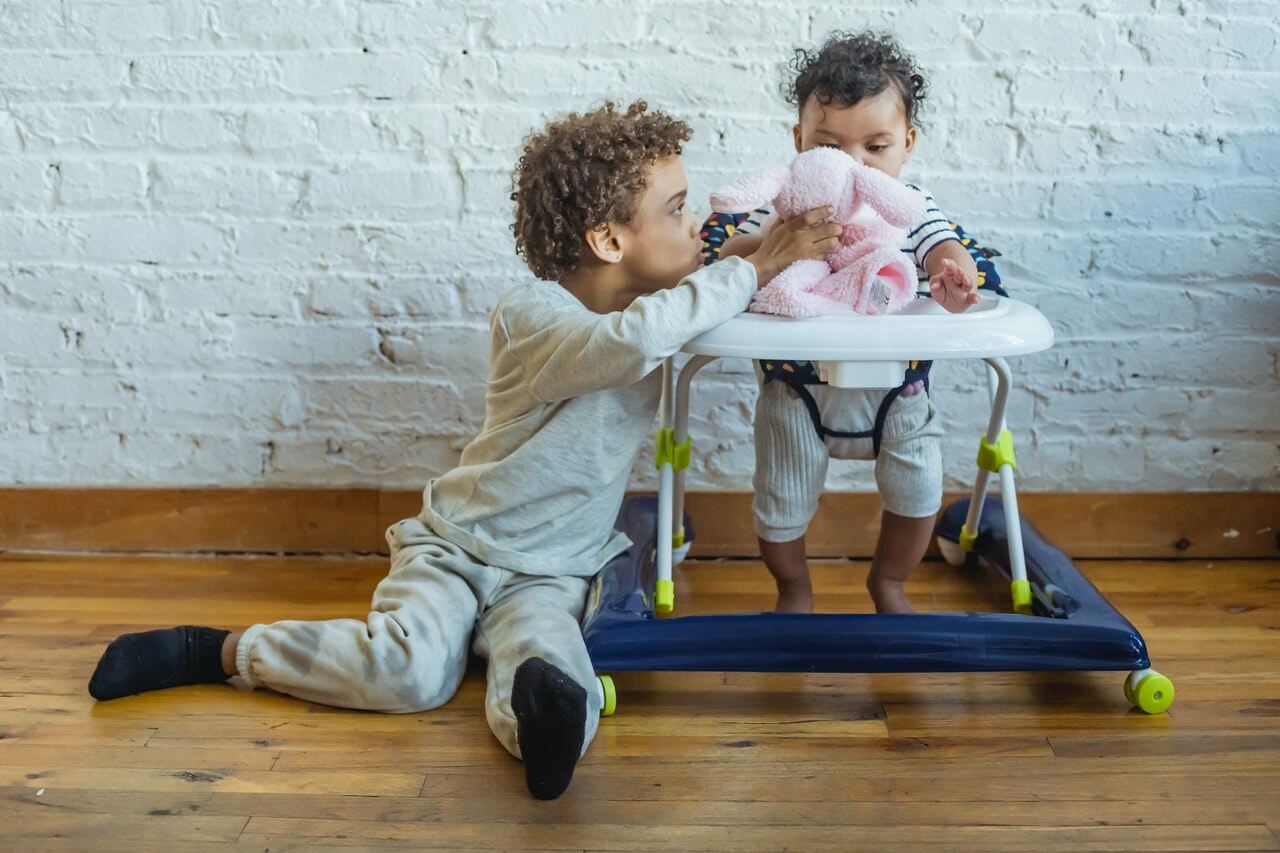
Why gross motor skills come first
Every later skill builds on these early movements. A child needs trunk strength and balance before they can sit still for a puzzle, hold a pencil steady, or kick a ball. Movement also feeds the senses: the inner ear, the muscles and the joints all send information to the brain during play, which is how a child learns where their body is in space. That is why floor time and active play are not just fun, they are the training ground for everything that follows.
0 to 6 months: head control, tummy time and rolling
In the first months the neck and core do the work. By around two months most babies can lift the head briefly during tummy time; by four months many hold it steady and push up on the forearms. Rolling from front to back often appears around four to six months, usually followed by back to front. Supported sitting begins toward the end of this window. Tummy time, little and often, is the single best exercise here — start with a minute or two several times a day and build up.
6 to 12 months: sitting, crawling and pulling to stand
Sitting without support usually arrives between six and nine months, and this frees the hands to explore. Crawling appears in many forms, from the classic hands-and-knees style to bottom-scooting, and all of them count. Between nine and twelve months most babies pull themselves up on furniture and start to cruise sideways. Some skip crawling and go straight to standing, which is fine, but crawling gives the shoulders, hips and eyes a great deal of practice.
12 to 18 months: cruising and first steps
The first independent steps usually come between twelve and fifteen months. Early walking is wide-legged and wobbly, with arms held high for balance, and that is exactly right. Children also start to squat, climb onto low furniture, and push or carry large toys. Give them room, keep the floor clear, and let them fall onto soft surfaces rather than catching them every time.
18 months to 3 years: running, climbing, jumping and balance
Between eighteen months and two years, most toddlers run, walk up and down stairs with help, kick a ball and climb on and off furniture. From two to three they jump with both feet, stand briefly on one foot, pedal a tricycle and manage stairs with alternating feet. This is the age when a home climber, slide or low balance beam earns its place, because climbing and sliding put all of these skills together at once.
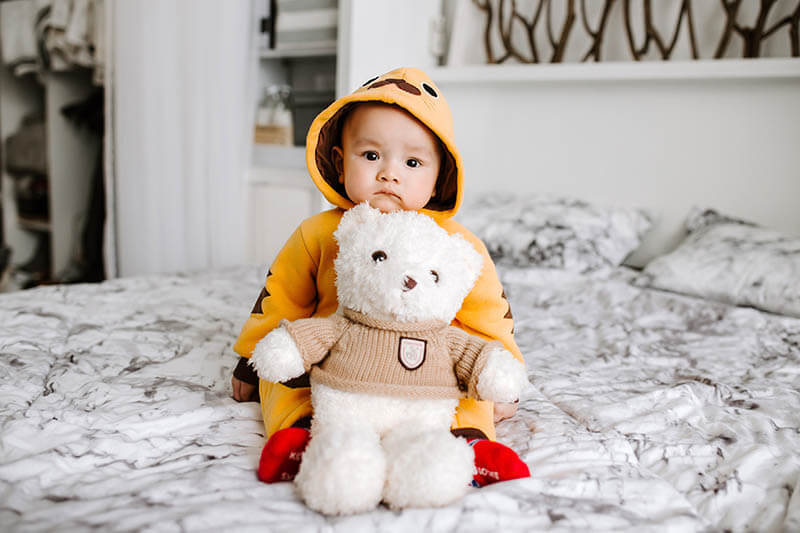
How to support gross motor development at home
Children do not need structured lessons, they need space and time. A clear patch of floor for rolling and crawling, a soft mat for early walking, and something safe to climb on cover most of the first three years. Aim for active play spread across the day rather than one long session, and let the child lead. Resist the temptation to sit a young baby up or walk a toddler by the hands for long stretches — a child learns balance by finding it themselves. If you want more ideas, our notes on climbing toys for toddlers and on the benefits of outdoor play go into more detail.
When a milestone is worth a conversation
Ranges are wide, but a few patterns are worth raising with your doctor: no head control by four months, no sitting without support by ten months, no pulling to stand by twelve months, not walking by eighteen months, or a clear loss of skills a child already had. One side of the body used much more than the other, very stiff or very floppy limbs, or a child who seems to find movement painful are also reasons to ask. Early support helps most when it starts early, and most children who are a little late need nothing more than time.
The best thing you can give a toddler is a safe place to move, and the patience to let them try. A wobble, a tumble and a second attempt are not setbacks; they are the way balance is built.
发表评论
Want to join the discussion?Feel free to contribute!