

Non-Toxic Kids Furniture and Toys: A Parent’s Guide to Safe Materials
Non-toxic kids furniture and toys are not defined by one sticker on the box. In practice, three things decide most of the risk: the coating on the surface, the material underneath it, and the adhesive that holds the piece together. Choose water-based finishes, solid wood or low-emission engineered board, and food-grade polypropylene instead of soft PVC, and you have already avoided the chemicals parents ask about most often: lead and cadmium in pigments, phthalates in flexible plastics, and formaldehyde from cheap glue.
This guide explains what those terms mean in practice, which certificates are worth checking, and how to inspect a new table, chair, slide or toy before a toddler puts it in their mouth. The ergonomic side of that setup is covered in our kids table and chair height guide.
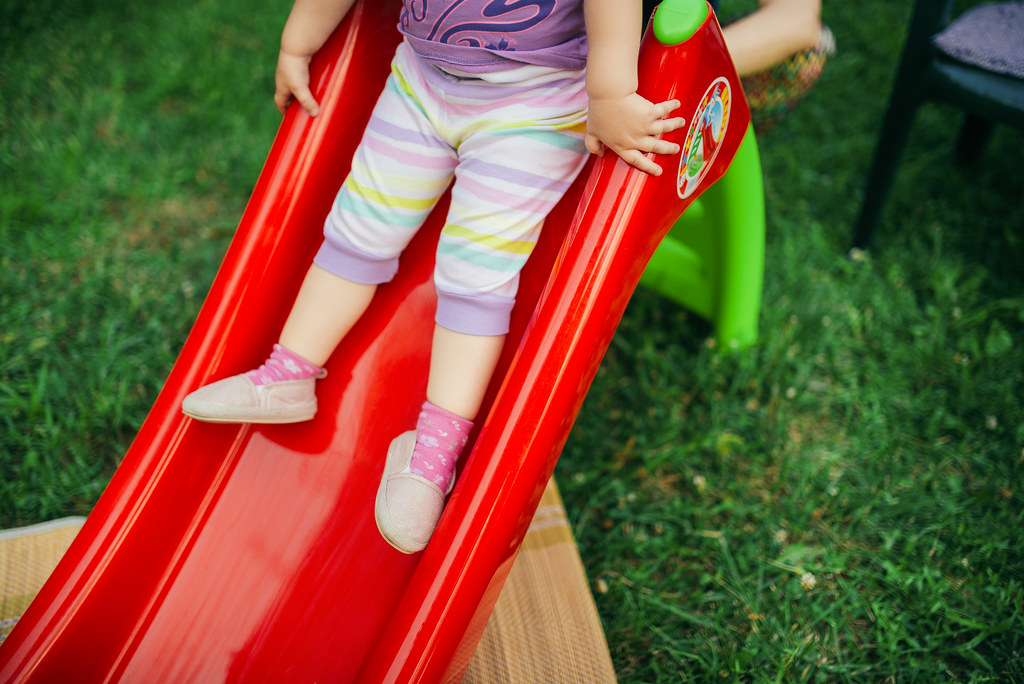
Where the chemicals actually hide
Paints and coatings. Pigments and finishes are the classic source of heavy metals. Low-cost enamel paints have historically contained lead; water-based acrylic or UV-cured powder coatings avoid both lead and the solvents that keep a sharp smell in the room for weeks. A supplier should be able to name the coating type and show EN71-3 or ASTM F963 results for the actual colour used, not just for a test board in a different shade.
Plastics. Soft PVC — usually marked with a 3 inside the recycling triangle — needs plasticisers, and those plasticisers are phthalates. Polypropylene (5) and high-density polyethylene (2) are rigid without them, which is why most quality slides, play tables and storage boxes are moulded from PP or HDPE. “BPA-free” is a separate claim that mainly concerns polycarbonate (7); it says nothing about phthalates, so check both.
Wood and boards. Solid wood is the simplest material to trust: fewer adhesives, and you can see whether the surface is properly sealed. MDF, plywood and particleboard need far more glue, so ask for E0 or E1 grade board (CARB P2 for the US market) and check that cut edges are sealed, because that is where formaldehyde escapes.
Which certificates are worth checking
No single label covers everything, and a certificate should name the product or material, not just the factory. EN71-1, -2 and -3 is the European toy standard: mechanical safety, flammability and migration of heavy metals. ASTM F963 is the US toy equivalent. CPSIA requires a Children’s Product Certificate backed by third-party testing for toys and children’s furniture sold in the US. REACH covers restricted chemicals in the EU, including phthalates and PAHs. FSC tells you where the wood came from, not how safe it is, and GREENGUARD Gold measures indoor air emissions — useful for anything that will sit in a small bedroom.
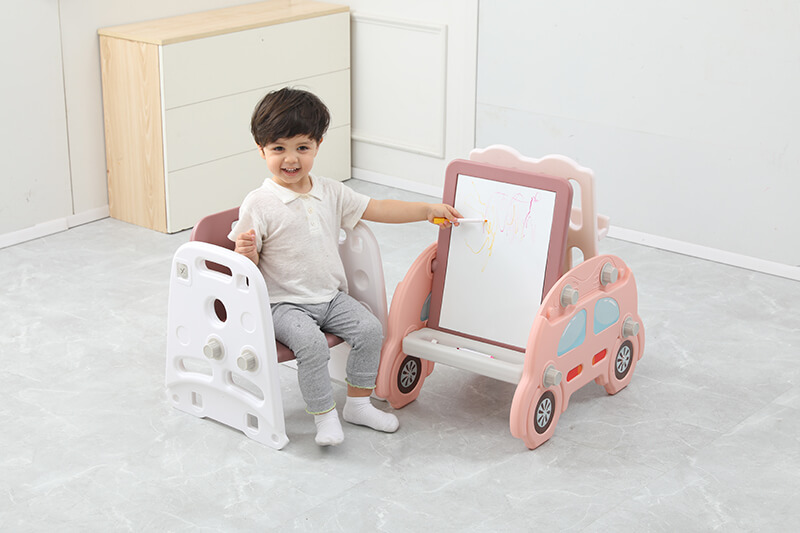
A simple material shortlist
Solid beech, rubberwood or pine with a water-based finish is the easiest default for tables, chairs and bookshelves. Sealed E0/E1 board is acceptable when the budget is tighter. Food-grade PP or HDPE is the right choice for slides, play tables and storage. Unmarked soft plastic, chipped paint over bare board, and anything with a strong solvent smell are the three signals to walk away from.
The smell test and the first week
Odour is not proof of toxicity — new wood and new plastic both have a smell — but a sharp, chemical, headache-inducing scent usually means the finish has not fully cured. Air the piece in a ventilated room or outdoors for three to seven days before it goes into a child’s bedroom, wipe it with a damp cloth, and keep the room ventilated. If the smell persists after two weeks, ask the seller for the coating specification in writing.
A five-minute inspection
Run the same checks whether you are in a store or opening a delivery: edges and corners rounded, coating smooth with no bubbles or chips, all screws capped or recessed, no sharp thread ends, and no gap between moving parts that could catch a finger. Put the chair on a hard floor and lean on the front edge — a stable chair should not tip. Check the label for model, batch, age range and material marking. A product that cannot tell you what it is made of is telling you something.
Cleaning without adding new chemicals
Warm water with a little mild soap handles almost everything. Avoid bleach and alcohol on painted or powder-coated surfaces, and never soak engineered board, because water swells the edges and opens the seal. Dry immediately with a soft cloth.
Non-toxic is the sum of small decisions, not a single certificate. Ask what the coating is, what the plastic is and what the board is; ask to see the test report for the model you are actually buying; then let your nose and your hands do the final check. For safe play at home, see our kids slide safety tips.
[/av_textblock]
发表评论
Want to join the discussion?Feel free to contribute!